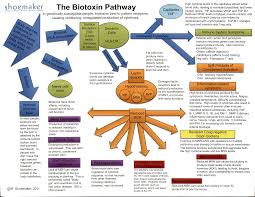
COCHT, SIRS, CIRS, TILT, MCS, MCI, EI, SBS, and Other Related Chronic Diseases
Educate, Inform, Empower
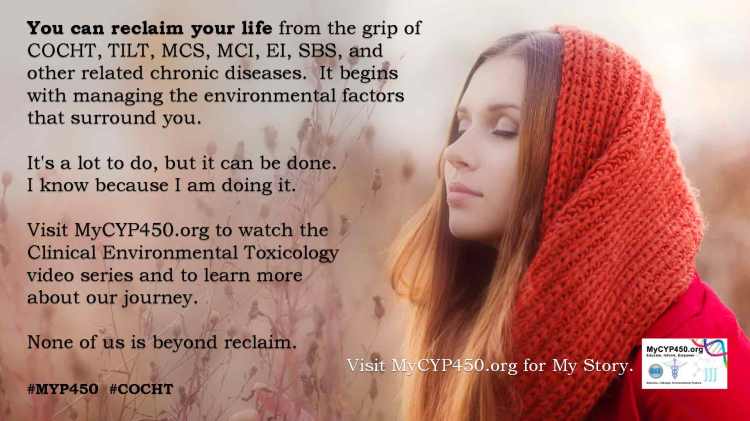
You can reclaim your life from the grip of COCHT, SIRS, CIRS, TILT, MCS, MCI, EI, SBS, and other related chronic diseases. It begins with understanding your genetics, making the appropriate lifestyle adjustments, managing your environmental factors, and taking control of your healthcare. There is no quick fix. It’s a lot to do, but it can be done, and you can reclaim your life. I know because I am doing it.
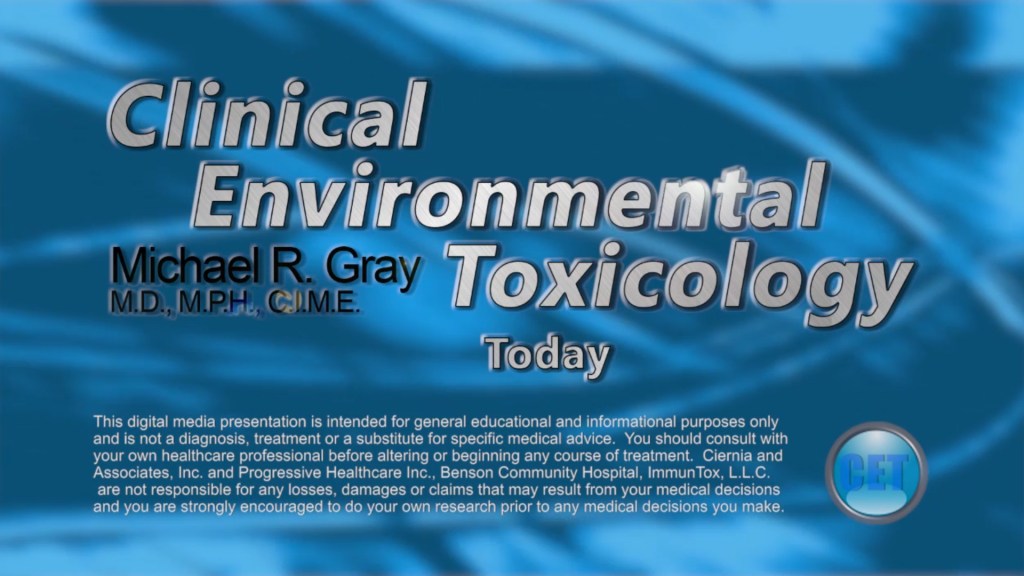

New Book Release at You May Be Wearing My Genes
Decoding the Role of CYP450 Enzymes in Metabolism and Disease: A Comprehensive Review, National Library of Medicine
Cytochrome P450 (CYP450) is a group of enzymes that play an essential role in Phase I metabolism, with 57 functional genes classified into 18 families in the human genome, of which the CYP1, CYP2, and CYP3 families are prominent. Beyond drug metabolism, CYP enzymes metabolize endogenous compounds such as lipids, proteins, and hormones to maintain physiological homeostasis. Thus, dysregulation of CYP450 enzymes can lead to different endocrine disorders. Moreover, CYP450 enzymes significantly contribute to fatty acid metabolism, cholesterol synthesis, and bile acid biosynthesis, impacting cellular physiology and disease pathogenesis. Their diverse functions emphasize their therapeutic potential in managing hypercholesterolemia and neurodegenerative diseases. Additionally, CYP450 enzymes are implicated in the onset and development of illnesses such as cancer, influencing chemotherapy outcomes. Assessment of CYP450 enzyme expression and activity aids in evaluating liver health state and differentiating between liver diseases, guiding therapeutic decisions, and optimizing drug efficacy.
Resources – Click on Links Below
Available Now at YMBWMG.COM, Amazon, Kobo, Google Books,

& Wherever You Buy eBooks Worldwide
More Expert Information To Guide Understanding of This Chronic Disease
We are not beyond reclaim PSA Messages
Tox Tutor -National Library of Medicine
American Academy of Environmental Medicine AAEM
Immune Deficiency Foundation (IDF)
Children’s Environmental Health Network (CEHN)
Global Indoor Health Network (GIHN) Environmental Working Group International Society for Environmentally Acquired Illness
https://www.consumerreports.org/pesticides-in-food/stop-eating-pesticides/
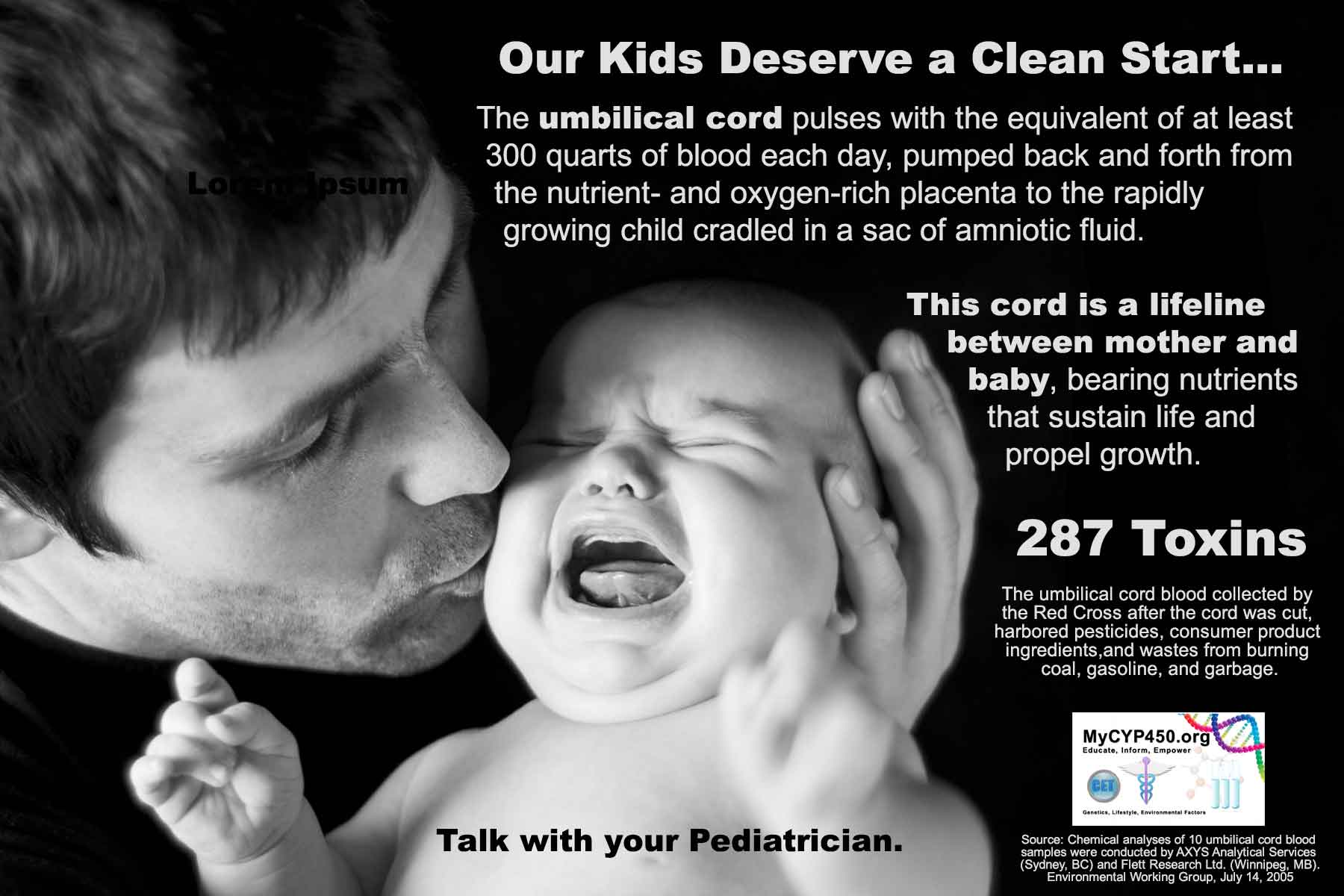
https://www.ewg.org/research/body-burden-pollution-newborns
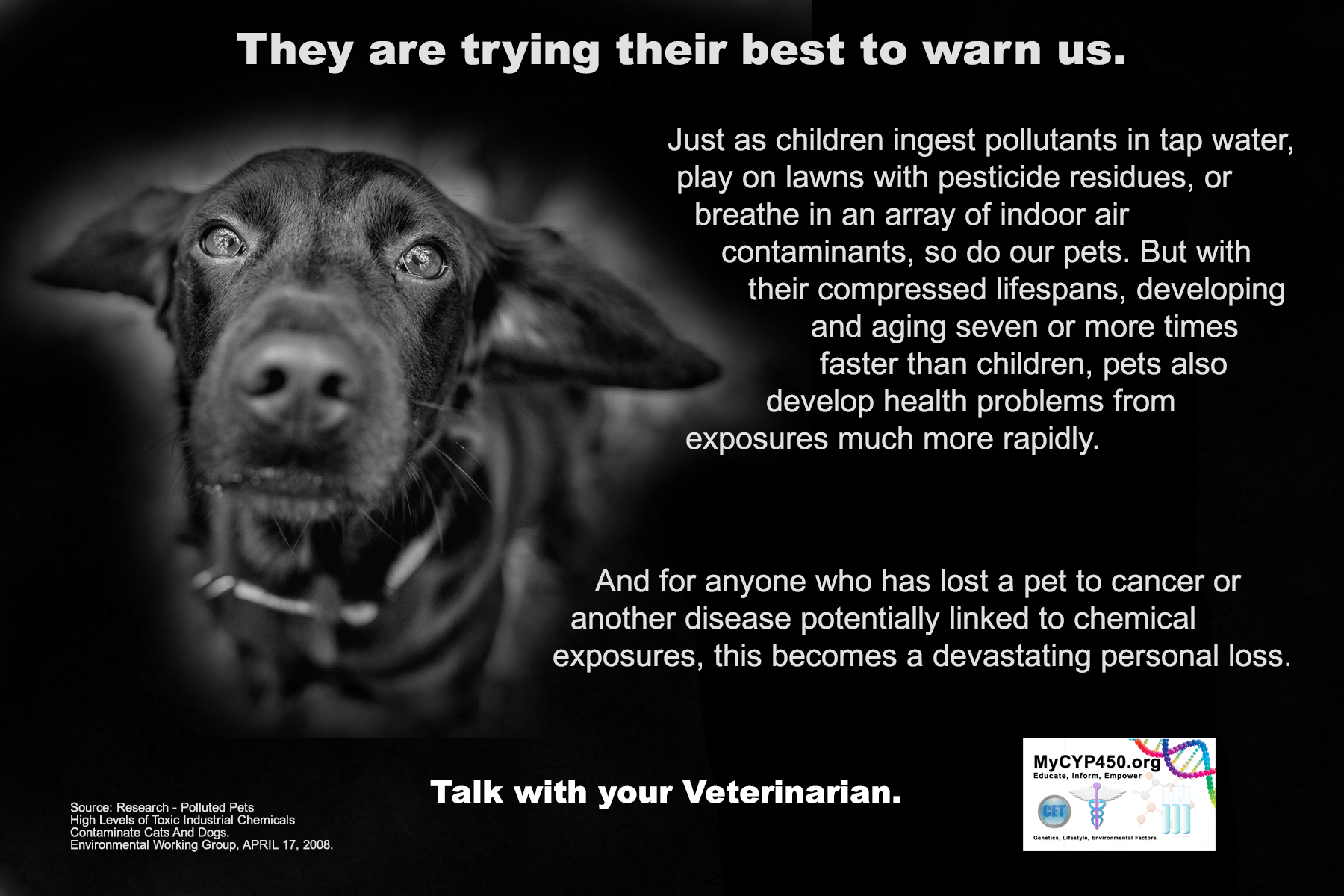
https://www.ewg.org/research/polluted-pets
Interested in Occupational Health & Safety Project Modules-Combined -Send an Email to: MyCYP450@gmail.com to Request Your Copy.
*********************************

For 21 years, the American Lung Association has analyzed data from official air quality monitors to compile the “State of the Air” report. The more you learn about the air you breathe, the more you can protect your health and take steps to make the air cleaner and healthier.
CherylF.Hardinga,b,⁎,CarolynL.Pytteb,c,KimberlyG.Pageb,KellyJ.Ryberga,EdnaNormandd,e,GregoryJ.Remigioa,RichardA.DeStefanoe,f,DavidB.Morrisd,JuliaVoroninaf,ArielLopezc,LaurenA.Stalbowc,e,ErinP.Williamsc,e,NohelyAbreucaDepartmentofPsychology,HunterCollege,CUNY,695ParkAvenue,NewYork,NY10065,USAbBehavioralandCognitiveNeuroscienceDoctoralProgram,TheGraduateCenter,CUNY,365FifthAvenue,NewYork,NY10016,USAcPsychologyDepartment,QueensCollege,CUNY,65-30KissenaBoulevard,Flushing,NY11367,USAdBiologicalSciences,HunterCollege,CUNY,695ParkAvenue,NewYork,NY10065,USAeMacaulayHonorsCollege,CUNY,35West67thStreet,NewYork,NY10023,USAfChemistryDepartment,HunterCollege,CUNY,695ParkAvenue,NewYork,NY10065,USDownload
Peer Reviewed Research
MyCYP450
Mold and mycotoxins: effects on the neurological and immune systems in humans.
Campbell AW1, Thrasher JD, Gray MR, Vojdani A.
Author information
1
Medical Center for Immune and Toxic Disorders, Spring, Texas, USA.
https://www.ncbi.nlm.nih.gov/pubmed/15350803
Publisher Summary
There can be a complexity of health problems associated with multiple mold exposure. This chapter describes the most recent neuroimmune mechanisms of diseases caused by molds and mycotoxins in humans. The exact biological and chemical actions through which these mechanisms unfold are not completely understood. However, molds do produce metabolites such as mycotoxins and shed antigenic materials—namely, spores, hyphae, extracellular polysaccharides, and enzymes—that are toxic and/or cause immunologic responses. The chapter discusses detailed health and environmental history, environmental monitoring data, physical examinations, routine clinical chemistries, measurements of lymphocyte phenotypic markers, antibodies to molds, mycotoxins, neuronal antigen antibodies, leukocyte apoptosis, nerve conduction studies (NCS), brainstem auditory evoked potentials (BAER), visual evoked responses (VER), and other neurological testing. The illness of these individuals is referred to as a “mold mycotoxicosis,” and it involves the immune system, the lungs, the central and peripheral nervous systems, and generalized inflammatory and irritant responses to exposure to spores, hyphal fragments, mycotoxins, solvents, and other byproducts.
PMID: 15350803 DOI: 10.1016/S0065-2164(04)55015-3
[Indexed for MEDLINE]
************************************
Low-level hydrogen sulfide and central nervous system dysfunction.
Kilburn KH1, Thrasher JD, Gray MR.
Author information
https://www.ncbi.nlm.nih.gov/pubmed/20504829
Abstract
Forty-nine adults living in Lovington, Tatum, and Artesia, the sour gas/oil sector of Southeastern New Mexico, were tested for neurobehavioral impairment. Contributing hydrogen sulfide were (1) an anaerobic sewage plant; (2) two oil refineries; (3) natural gas/oil wells and (4) a cheese-manufacturing plant and its waste lagoons. Comparisons were to unexposed Wickenburg, Arizona, adults. Neurobehavioral functions were measured in 26 Lovington adults including 23 people from Tatum and Artesia, New Mexico, and 42 unexposed Arizona people. Participants completed questionnaires including chemical exposures, symptom frequencies and the Profile of Mood States. Measurements included balance, reaction time, color discrimination, blink reflex, visual fields, grip strength, hearing, vibration, problem solving, verbal recall, long-term memory, peg placement, trail making and fingertip number writing errors (FTNWE). Average numbers of abnormalities and test scores were adjusted for age, gender, educational level, height and weight, expressed as percent predicted (% pred) and compared by analysis of variance (ANOVA). Ages and educational attainment of the three groups were not statistically significantly different (ssd). Mean values of Lovington residents were ssd from the unexposed Arizona people for simple and choice reaction times, balance with eyes open and closed, visual field score, hearing and grip strength. Culture Fair, digit symbol substitution, vocabulary, verbal recall, peg placement, trail making A and B, FTNWE, information, picture completion and similarities were also ssd. The Lovington adults who averaged 11.8 abnormalities were ssd from, Tatum-Artesia adults who had 3.6 and from unexposed subjects with 2.0. Multiple source community hydrogen sulfide exposures impaired neurobehavioral functions.
PMID: 20504829 DOI: 10.1177/0748233710369126
[Indexed for MEDLINE]
*****************************
A water-damaged home and health of occupants: a case study.
Thrasher JD1, Gray MR, Kilburn KH, Dennis DP, Yu A.
Author information
https://www.ncbi.nlm.nih.gov/pubmed/22220187
https://www.ncbi.nlm.nih.gov/pmc/?term=22220187%5BPMID%5D&report=imagesdocsum
Abstract
A family of five and pet dog who rented a water-damaged home and developed multiple health problems. The home was analyzed for species of mold and bacteria. The diagnostics included MRI for chronic sinusitis with ENT and sinus surgery, and neurological testing for neurocognitive deficits. Bulk samples from the home, tissue from the sinuses, urine, nasal secretions, placenta, umbilical cord, and breast milk were tested for the presence of trichothecenes, aflatoxins, and Ochratoxin A. The family had the following diagnosed conditions: chronic sinusitis, neurological deficits, coughing with wheeze, nose bleeds, and fatigue among other symptoms. An infant was born with a total body flare, developed multiple Cafe-au-Lait pigmented skin spots and diagnoses with NF1 at age 2. The mycotoxins were detected in bulk samples, urine and nasal secretions, breast milk, placenta, and umbilical cord. Pseudomonas aueroginosa, Acinetobacter, Penicillium, and Aspergillus fumigatus were cultured from nasal secretions (father and daughter). RT-PCR revealed A. fumigatus DNA in sinus tissues of the daughter. The dog had 72 skin lesions (sebaceous glands and lipomas) from which trichothecenes and ochratoxin A. were detected. The health of the family is discussed in relation to the most recent published literature regarding microbial contamination and toxic by-products present in water-damaged buildings.
PMID: 22220187 PMCID: PMC3246741 DOI: 10.1155/2012/312836
J Environ Public Health. 2012;2012:312836. doi: 10.1155/2012/312836. Epub 2011 Dec 15.
****************************
 Mycyp450 Education Network